

Shaniwar Wada is one of the most photographed monuments in Maharashtra, and yet most visitors leave with the same handful of predictable shots — a selfie at the Delhi Darwaza, a wide shot of the fountain, maybe a photo of the garden. The fort has considerably more photographic depth than this, if you know where and when to look.
This guide covers the best times for natural light, the specific spots that produce the most striking images, and what you need to know if you’re planning anything more ambitious than casual phone photography.
Best Time of Day for Photography
| Time | Light Quality | Best For |
|---|---|---|
| 8:00–9:00 AM (opening time) | Soft, warm morning light, low sun angle creates dramatic shadows on stonework | Architecture detail shots, gate photography, low crowd density for clean compositions |
| 9:00 AM–12:00 PM | Bright, harsher light, less flattering for stone textures | General documentation shots, group photos |
| 4:00–6:00 PM | Golden hour — warm, low-angle light, the granite walls take on a beautiful amber tone | The single best window for atmospheric photography at the fort |
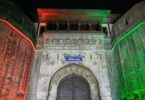
| 7:15–9:10 PM (during the show) | Artificial illumination, dramatic coloured lighting on the gates and walls | Completely different aesthetic — theatrical, cinematic shots only possible during the light and sound show |
Our strongest recommendation: If photography is a priority for your visit, come twice — once in the late afternoon (4–6 PM) for golden hour shots of the daytime fort, and return for the evening light and sound show for an entirely different set of images. The contrast between the two visits is dramatic.
The Best Specific Spots
1. Inside the Delhi Darwaza, looking back at the gate
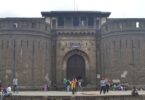
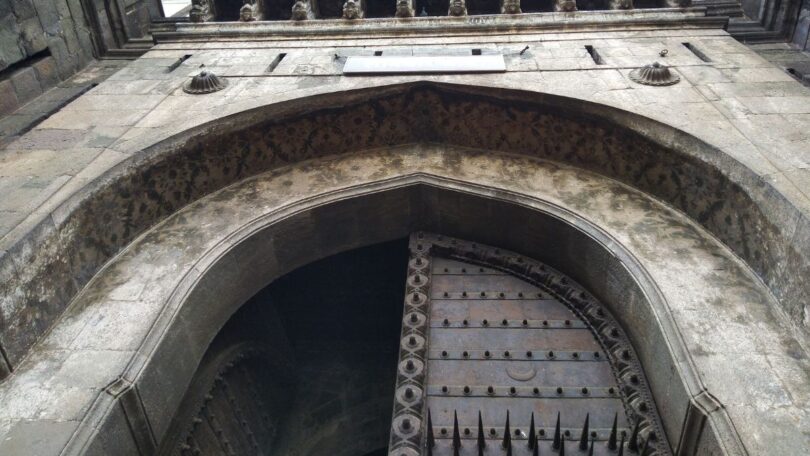
Most visitors photograph the Delhi Darwaza from outside, facing it. Walk through and turn around — looking back at the gate from inside the complex, with the iron spikes visible against the sky, produces a far more dramatic and unusual composition than the standard approaching shot.
2. The Hazari Karanje fountain at a low angle
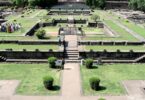
Get down low — crouching or even sitting near ground level — and shoot the lotus-shaped fountain with the surrounding fort walls in the background. This angle emphasises the geometric symmetry of the fountain’s 16-petal design far better than a standing-height shot.
3. The Nagarkhana’s wooden pillars in detail
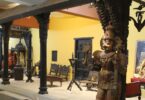
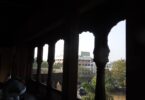
Most visitors photograph the Nagarkhana as a wide architectural shot. The real photographic value is in close-up detail shots of the carved wooden pillars and lattice work — the craftsmanship rewards a macro or close-focus approach far more than a wide shot ever could.
4. The garden pathways in early morning
Shortly after the 8 AM opening, before significant crowds arrive, the garden pathways offer clean, uncluttered compositions with the fort walls as a backdrop. This window closes quickly on weekends.
5. The Mastani Darwaza, golden hour
Smaller and more intimate than the main Delhi Darwaza, the Mastani Darwaza photographs beautifully in late afternoon light. Given the story attached to this gate, it also makes for a more narratively interesting photograph than a generic architecture shot.
6. Wide shots from the perimeter walls
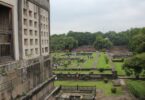
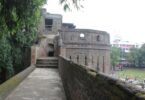
Where accessible, shots taken from slightly elevated positions along the remaining fortification walls give a sense of the scale of the original complex that ground-level shots cannot capture.
Photography Rules and Permits
| Camera Type | Permitted | Fee/Permit Needed |
|---|---|---|
| Mobile phone photography | Yes | No additional fee — included in entry ticket |
| DSLR / professional camera (personal use) | Generally yes | Check at ticket counter on the day — rules can vary; a small permit fee may apply |
| Tripods | Check on arrival | May require prior permission for larger setups |
| Drone photography | Not permitted | Heritage sites under ASI protection generally prohibit drone use without special government clearance |
| Commercial/professional shoots (pre-wedding, fashion, film) | Requires special permission | Apply through the Archaeological Survey of India in advance — this is not a same-day walk-in process |
Pre-Wedding and Professional Shoots at Shaniwar Wada
Shaniwar Wada is a popular location for pre-wedding photography in Pune, given its dramatic architecture and historical romance associated with the Bajirao-Mastani story. However, this is not a casual walk-in arrangement — commercial photography of this kind requires advance permission from the Archaeological Survey of India (ASI), which manages the site.
What you need to do:
- Apply for permission well in advance (typically several weeks) through the ASI Pune circle office
- Specify the date, time, and approximate duration of the shoot
- Be prepared for a permit fee, which varies based on the nature and scale of the shoot
- Confirm whether general visitor access continues during your shoot, or whether you have arranged for restricted/exclusive access (the latter is significantly more expensive and harder to arrange)
Many couples and photographers in Pune instead choose to shoot informally during regular visiting hours, working around general tourist traffic rather than pursuing exclusive access — a far simpler and lower-cost approach for couples not requiring a completely empty location.
What Not to Do
- Do not climb on the fortification walls or ruins for photographs — this damages a protected heritage structure and is prohibited
- Do not use flash photography during the evening show — it disrupts other visitors and the show’s lighting design
- Do not bring professional lighting equipment without prior clearance
- Avoid blocking pathways for extended posed shots during peak hours — be considerate of other visitors trying to move through the same narrow gates and corridors
FAQs
What is the best time to photograph Shaniwar Wada?
Late afternoon (4–6 PM) for golden hour daytime shots, or during the evening light and sound show (7:15–9:10 PM) for dramatically illuminated night photography. Early morning (8–9 AM, right at opening) offers the lowest crowds for clean compositions.
Can I do a pre-wedding shoot at Shaniwar Wada?
Yes, but it requires advance permission from the Archaeological Survey of India (ASI), which manages the site. This is not a same-day walk-in process — apply several weeks ahead.
Is drone photography allowed at Shaniwar Wada?
No. As a protected heritage site under ASI management, drone photography is not permitted without special government clearance, which is rarely granted for casual or even most commercial shoots.
Do I need a permit for DSLR photography at Shaniwar Wada?
Rules can vary — check at the ticket counter on the day of your visit. Personal-use DSLR photography is generally permitted, sometimes with a small additional fee.
Also read:
→ Shaniwar Wada Complete Visitor Guide
→ The Five Gates of Shaniwar Wada
→ Light & Sound Show Guide