

Most people who visit Pune for one day make the same mistake: they spend too long at one place, rush through another, skip the third entirely, and leave having seen everything superficially and nothing deeply. This itinerary is built to fix that.
Pune’s historic heart — the old city around Shaniwar Peth, Budhwar Peth and Kasba Peth — contains four places that together tell the complete story of this city. The Dagdusheth Halwai Ganpati Temple. The Raja Dinkar Kelkar Museum. Shaniwar Wada. And Lal Mahal. They are all within 1.5 kilometres of each other. A single well-planned day is enough to see all four properly — with time for breakfast, a real lunch, and an evening walk.
This is that plan.
The Itinerary at a Glance
| Time | Activity | Duration |
|---|---|---|
| 6:30 AM | Arrive at Dagdusheth Halwai Ganpati Temple | 1.5 hours |
| 8:00 AM | Breakfast at Bedekar Tea Stall or Café Goodluck | 45 minutes |
| 9:15 AM | Walk to Raja Dinkar Kelkar Museum (opens 9:30 AM) | 15 min walk |
| 9:30 AM | Raja Dinkar Kelkar Museum | 2.5 hours |
| 12:00 PM | Lunch on Laxmi Road or FC Road | 1 hour |
| 1:15 PM | Walk or auto to Shaniwar Wada | 10 minutes |
| 1:30 PM | Shaniwar Wada | 1.5 hours |
| 3:15 PM | Walk to Lal Mahal | 10 minutes |
| 3:30 PM | Lal Mahal | 45 minutes |
| 4:30 PM | Laxmi Road walk, sweets and shopping | 1 hour |
| 5:30 PM | Evening darshan at Dagdusheth Ganpati (Mahamangal Aarti at 8 PM optional) | Optional |
Total walking distance for the day: Approximately 4–5 km across all visits, entirely through the old city lanes.
Total entry fees: Kelkar Museum ₹100 + Shaniwar Wada ₹25 + Lal Mahal ₹30 = approximately ₹155 per person. Dagdusheth Ganpati is free.
6:30 AM — Dagdusheth Halwai Ganpati Temple
Start here. Start early. This is not negotiable.
The reason to arrive at Dagdusheth Ganpati at 6:30 AM is simple: the early morning is the only time this temple reveals its quieter, more contemplative self. By 9 AM the area is busy. By 11 AM it is crowded. At 6:30 AM, the morning light is soft, the streets of Budhwar Peth are just beginning to wake up, and the temple feels genuinely sacred rather than touristic.
The Suprabhatam Aarti (morning awakening aarti) is at 7:30 AM — plan to be inside and settled by 7:15 AM. The aarti runs from 7:30 to 7:45 AM and is one of the most peaceful, intimate experiences available at Dagdusheth. Only in the early morning do you get this version of the temple.
What to do in your 1.5 hours here:
- Arrive at 6:30 AM, take your shoes off, join the darshan queue (it moves quickly this early)
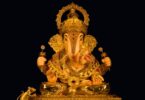
- Take your time in front of the main idol — the gold-adorned Ganesha standing 7.5 feet tall is breathtaking in the morning light
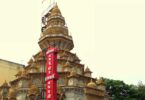
- Walk the outer courtyard — the temple architecture, the silver doors, the gold dome
- Be in position for Suprabhatam Aarti at 7:30 AM
- After the aarti, spend a few minutes in the courtyard before heading out
Buy modak (steamed rice dumpling with coconut-jaggery filling) from the stalls outside the temple after your darshan. These are some of the best in Pune.
For the complete history, timings and all aarti details: Dagdusheth Halwai Ganpati Temple — Complete Visitor Guide
If you are visiting during Ganesh Chaturthi: Dagdusheth Ganpati During Ganesh Chaturthi — Complete Festival Guide
📍 Dagdusheth Halwai Ganpati Temple
Ganpati Bhavan, 250, Budhwar Peth, Pune 411002
Open: 5:00 AM – 10:30 PM daily (11:00 PM on Tuesdays)
Entry: Free
Morning aarti (Suprabhatam): 7:30 AM – 7:45 AM
8:00 AM — Breakfast
After Dagdusheth, you have earned a proper Pune breakfast. These are within 10–15 minutes of the temple:
Option 1: Bedekar Tea Stall, Narayan Peth (10 min walk)
Pune’s most legendary breakfast institution. They have been serving the same Misal Pav since 1919. The misal here — spiced moth beans in a fiery, layered sauce, served with soft pav (bread rolls) — is genuinely unlike anything you will eat elsewhere. Arrive early; they sell out. No frills, no ambience, wooden benches and long tables. Exactly what a 100-year-old breakfast institution should look like.
Option 2: Café Goodluck, Deccan Gymkhana (15 min auto)
If you want a more relaxed morning with Iranian café charm — Café Goodluck is one of Pune’s oldest Irani cafés. Bun maska (soft bread rolls with salted butter) with Irani chai is a Pune ritual. The café has been here since 1935 and has barely changed. Worth a visit in itself.
Option 3: Chitale Bandhu or Kayani Bakery (near Dagdusheth)
If you want a quick sweet breakfast rather than a savoury one — the sweet shops on and around Laxmi Road near Dagdusheth Ganpati sell kothimbir vadi (coriander fritters), chakli, and freshly made sweets from 8 AM onwards.
9:30 AM — Raja Dinkar Kelkar Museum
Walk from breakfast (or take a short auto) to the Kelkar Museum on Bajirao Road. The museum opens at 9:30 AM — aim to be at the ticket counter when the doors open. A weekday morning visit means you will often have entire floors almost to yourself for the first hour.
Buy the photography permit (₹100 extra) at the ticket counter. You will want it.
How to spend your 2.5 hours:
- First 30 minutes — Wing A Ground and First Floor: Pottery, decorative vessels, the betel-nut cutter collection, terracotta and brass objects. Go slowly here. The density of interesting objects is highest on these floors.
- Next 45 minutes — The Lamp Collection: Across multiple sections and floors, the museum displays hundreds of Dr. Kelkar’s 2,000+ lamp collection. Look for the difference in regional styles — single-wick earthen lamps from Maharashtra vs elaborate multi-armed brass temple lamps from South India.
- Next 30 minutes — Mastani Mahal: The museum’s centrepiece. Dr. Kelkar salvaged original carved wooden panels from the decaying palace of Mastani (companion of Peshwa Bajirao I) and reconstructed this room. When you’re inside, look up at the ceiling — most visitors miss the most extraordinary part of the craftsmanship. Read the story on the wall display before entering.
- Final 45 minutes — Musical Instruments, Vanita Kaksha, Special Collections: The musical instrument collection on the first floor of Wing B is remarkable. The Vanita Kaksha (women’s quarter displays) is frequently overlooked and contains some of the most intimate objects in the entire museum.
Full floor-by-floor guide: Raja Dinkar Kelkar Museum — Complete Visitor Guide
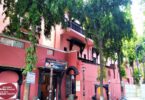
Things most visitors miss: Kelkar Museum Hidden Gems — 10 Things Most Visitors Walk Right Past
📍 Raja Dinkar Kelkar Museum
1377–78, Natu Baug, Off Bajirao Road, Shukrawar Peth, Pune 411002
Open: 9:30 AM – 5:30 PM daily
Entry: ₹100 (Indians), ₹200 (foreign nationals)
Photography: ₹100 additional
Time needed: 2.5 to 3 hours
12:00 PM — Lunch
By now you have been up since before 6 AM and covered two of Pune’s most rewarding heritage experiences. You deserve a proper lunch. These options are all within reasonable distance of Kelkar Museum:
Option 1: Shreyas Restaurant, Deccan Gymkhana (15 min auto)
One of Pune’s most respected traditional Maharashtrian thali restaurants. The thali here — served on a steel plate with varan bhaat (lentil rice), amti (spiced dal), sabzi, koshimbir (salad), papad, and poli — is both excellent and affordable. This is the food that Pune people eat at home, done properly.
Option 2: Durga Café, near Shaniwar Wada (10 min walk)
Old-school Pune café serving simple, honest food. Dal-roti, simple thalis, chai. No pretensions, excellent value, ideal for a midday stop between heritage sites.
Option 3: Vaishali Restaurant, FC Road (20 min auto)
If you want Pune’s most famous South Indian-Maharashtrian hybrid food — Vaishali has been serving it since 1958. The dosa here is legendary, the atmosphere is chaotic in the best way, and it gives you a glimpse of how Pune’s university culture eats. Worth the slight detour.
1:30 PM — Shaniwar Wada
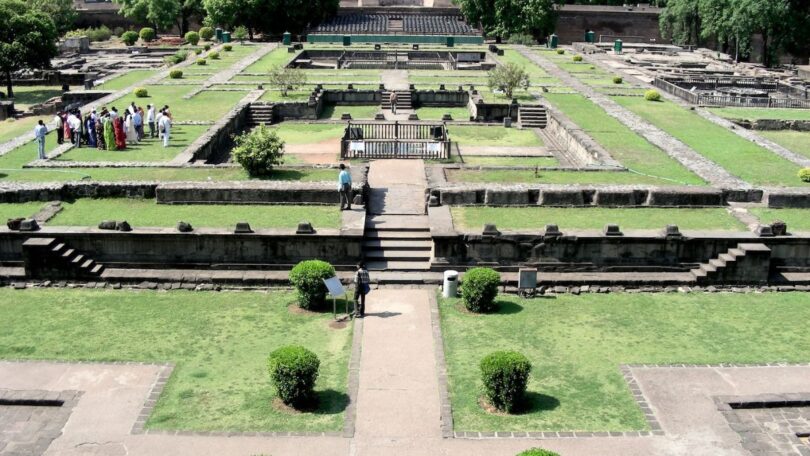
Shaniwar Wada is the most dramatic physical reminder of Pune’s Peshwa era — the period when Pune was effectively the capital of the Maratha Empire and one of the most powerful political centres in India. The Wada (palace complex) was built in 1732 by Peshwa Bajirao I and was the seat of Maratha power for decades.
What stands today is mostly the outer fortification walls and one of the original entrance gates — a massive, spike-studded timber gate designed specifically to prevent elephants from ramming it. The main palace was destroyed by a fire in 1828, the cause of which remains disputed (lightning, accident, or arson — historians have argued all three).
What to see at Shaniwar Wada:
- The Delhi Darwaja (main entrance gate): The original timber gate with its iron elephant-repelling spikes is one of the most impressive functional objects in Pune. Stand close and look at the engineering — every spike is positioned to cause maximum damage to a charging elephant’s head.
- The Lotus Fountain (Hazari Karan): Inside the complex, the original fountain with 16 petals and 272 water jets is partially restored. Even partially functioning, it gives a sense of the extraordinary sophistication of the palace that once stood here.
- The outer fortification walls: Walk the perimeter. The scale of the walls gives a visceral sense of how formidable the Peshwa power base was at its height.
- The exhibition on Peshwa history: Inside the complex, basic but informative displays on the Peshwa era. Good context if you’re not already familiar with the period.
📍 Shaniwar Wada
Shaniwar Peth, Pune 411030
Open: 8:00 AM – 6:30 PM daily
Entry: ₹25 (Indians), ₹300 (foreign nationals)
Time needed: 1 to 1.5 hours
Note: Evening light-and-sound show runs at 7:15 PM (Hindi) and 8:15 PM (English) — ₹25 per person. Optional addition to the day.
3:30 PM — Lal Mahal
A 10-minute walk from Shaniwar Wada brings you to Lal Mahal — the red palace where Chhatrapati Shivaji Maharaj spent part of his childhood. The original structure dates to 1630, built by Shahaji Raje Bhosale (Shivaji’s father) for his family while he was occupied with campaigns elsewhere.
The current structure is largely a reconstruction — the original palace was significantly damaged over the centuries. But it houses an important collection of objects related to Shivaji’s life and the early Maratha period, including weapons, armour, and historical paintings. For anyone interested in Maratha history, this is a meaningful stop. For children who have learned about Shivaji in school, standing in the place where he grew up is genuinely affecting.
The most talked-about exhibit: The wax figure tableau inside depicting the famous confrontation between Shivaji and Shahistakhan — the Mughal general who camped in Lal Mahal while Shivaji was away, and who famously had three of his fingers cut off by Shivaji when he returned unexpectedly by night. The story is one of the most dramatic episodes in the early Maratha story and is told well through the exhibits here.
📍 Lal Mahal
Shivaji Road, Kasba Peth, Pune 411011
Open: 9:00 AM – 1:00 PM, 2:00 PM – 5:30 PM (Tuesdays to Sundays)
Closed: Mondays
Entry: ₹30 per person
Time needed: 45 minutes
⚠️ Note: Check current opening hours before visiting — hours can vary. Closed on Mondays.
4:30 PM — Laxmi Road: The Walk, The Sweets, The Shopping
After four heritage sites, Laxmi Road is your palate cleanser. This is Pune’s most famous traditional shopping street — chaotic, colourful, and completely alive. Walk it for an hour and you will understand how Pune actually lives when it is not performing for tourists.
What to look for on Laxmi Road:
- Chitale Bandhu Mithaiwale: Pune’s most famous sweet shop. The bakarwadi (spiral savoury biscuit with spiced filling) is what everyone takes home as a gift from Pune. Queue here. Buy plenty. It keeps for weeks.
- Kaka Halwai: Traditional Maharashtrian sweets — pedha, shrikhand, basundi. Old recipe, unchanged for decades.
- Traditional saree shops: Paithani sarees from Paithan (with their distinctive geometric borders and peacock motifs) are available on Laxmi Road. Genuine Paithani is expensive — if a price seems too good, it is synthetic.
- Silver jewellery: Several shops on the side lanes off Laxmi Road sell traditional Maharashtrian silver jewellery — Kolhapuri necklaces, anklets, traditional waistbands — at competitive prices.
Evening Option — Return to Dagdusheth for Mahamangal Aarti
If you have energy left (and you should try to, because this is worth it), return to Dagdusheth Halwai Ganpati Temple for the Mahamangal Aarti at 8:00 PM.
You visited the temple in the quiet of the early morning. The evening Mahamangal Aarti is a completely different experience — brass instruments, conch shells, elaborate lamp-waving, the full force of collective devotion in a packed temple. The contrast between the 6:30 AM version of Dagdusheth and the 8:00 PM version of Dagdusheth is striking and tells you something important about this city.
The aarti runs from 8:00 PM to 9:00 PM. If you attend, allow 30 minutes for queue and crowd management.
Practical Information for the Full Day
What to wear
Comfortable walking shoes — you will cover 4–5 km through old city lanes. Dress modestly for the temple visit (shoulders and knees covered). Light cotton clothing is recommended — Pune’s heritage areas have limited shade during the day.
Transport for the day
The entire heritage circuit is walkable if you are comfortable walking. If you prefer not to walk between sites, auto-rickshaws are plentiful — tell the driver the destination by name and every driver will know it. Fare between any two points on this itinerary: ₹40–₹80. Avoid driving your own car — parking in this area of the old city is very limited.
Budget estimate (per person)
| Chitale Bandhu Mithaiwale | ₹400 |
| Breakfast (Bedekar misal) | ₹80–120 |
| Kelkar Museum entry + photography | ₹200 |
| Shaniwar Wada entry | ₹25 |
| Lal Mahal entry | ₹30 |
| Lunch (thali) | ₹150–250 |
| Auto-rickshaws throughout the day | ₹150–200 |
| Modak and sweets from Laxmi Road | ₹100–300 |
| Total | ₹900–₹1360per person |
What to skip if you run short of time
If your day gets compressed, Lal Mahal is the most skippable of the four sites — not because it is uninteresting, but because its current form is largely reconstructed and the experience is thinner than the other three. Prioritise Dagdusheth Ganpati, Kelkar Museum, and Shaniwar Wada in that order.
Frequently Asked Questions
What are the must-see places in Pune for a one-day visit?
Dagdusheth Halwai Ganpati Temple, Raja Dinkar Kelkar Museum, Shaniwar Wada, and Lal Mahal form the best single-day heritage circuit in Pune. They are all within 1.5 km of each other and can be covered comfortably in one well-planned day.
Is one day enough to see Pune’s heritage?
One day is enough to see the historic core of Pune well — Dagdusheth Ganpati, Kelkar Museum, Shaniwar Wada and Lal Mahal. If you want to include Parvati Hill, Pataleshwar Cave Temple, or day trips to Sinhagad Fort or Lonavala, you need a second day.
How far is Kelkar Museum from Dagdusheth Ganpati?
Approximately 1 km — a 12–15 minute walk through the lanes of old Pune, passing sections of Bajirao Road and Shukrawar Peth. A very pleasant walk with several things to see along the way.
How far is Shaniwar Wada from Dagdusheth Ganpati?
Just 300 metres — a 5-minute walk. These two sites are so close that most visitors cover both in the same trip.
What is the best time of year for this heritage itinerary?
October to February is the most comfortable weather-wise — cool mornings, pleasant afternoons, dry skies. The monsoon months (June to September) bring heavy rain that can make the old city lanes difficult to navigate on foot. Ganesh Chaturthi (August–September) adds extraordinary energy to the Dagdusheth visit but also enormous crowds throughout the area.
Is Pune a good destination for heritage tourism?
Pune is significantly underrated as a heritage destination relative to cities like Jaipur, Varanasi, or Delhi. The concentration of historically significant sites within the old city — Peshwa-era architecture, Maratha history, one of India’s most extraordinary private museums, and one of Maharashtra’s most revered temples — is genuinely remarkable. The crowds are also far more manageable than at comparable sites in north India.
Deep dives into each site on this itinerary:
→ Dagdusheth Halwai Ganpati Temple — Complete Visitor Guide
→ Dagdusheth Ganpati During Ganesh Chaturthi
→ Raja Dinkar Kelkar Museum — Complete Visitor Guide
→ Kelkar Museum — 10 Hidden Gems Most Visitors Miss