
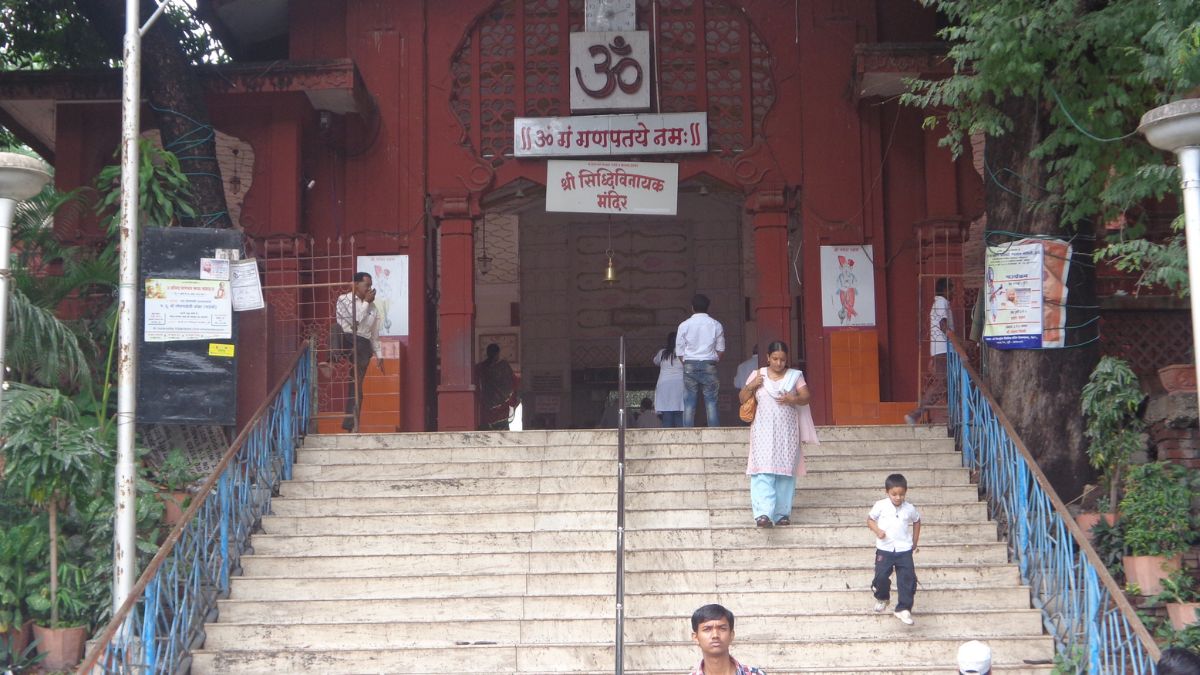
Saras Baug Pune occupies a particular place in the daily life of the city that most tourist guides miss entirely. It is not primarily a tourist destination — it is, first and foremost, a place where Punekars come. Morning walkers who have been circling the same paths for twenty years. Families who arrive on Sunday afternoons with children who need to run. Devotees who visit the Ganesh temple at the centre of the garden before or after work. And then, by extension, the food street outside the garden’s main gate — arguably the most atmospheric evening eating stretch in south Pune.
Saras Baug Pune is worth visiting specifically because it is not curated for tourists. It is a living, breathing piece of everyday Pune, anchored by a significant Ganesh temple and surrounded by a garden that the city has clearly decided belongs to everyone.
Saras Baug Pune — Quick Facts at a Glance
| Detail | Information |
|---|---|
| Full Name | Saras Baug (also spelled Saras Bagh) |
| Address | Near Swargate, Parvati, Pune – 411 009 |
| Garden Timings | 5:30 AM to 10:30 PM daily |
| Ganesh Temple Timings | 6:00 AM to 12:00 PM and 4:00 PM to 9:00 PM |
| Garden Entry Fee | Free |
| Temple Entry | Free |
| Garden Area | Approximately 12 acres |
| Distance from Swargate Bus Stand | 1.7 kilometres — auto-rickshaw 5 minutes |
| Distance from Parvati Hill | 800 metres — 10 minutes walk |
| Parking | Available near the main gate |
Saras Baug Pune Timings 2026 — Garden and Temple
Saras Baug Pune is open every day of the year. The garden follows long hours that accommodate both the morning walkers and the evening visitors who come after the heat of the day lifts.
The garden opens at 5:30 AM — early enough for the serious walkers who complete multiple rounds of the inner path before most of Pune has woken up. It closes at 10:30 PM, which is late enough to accommodate families who visit after dinner.
The Ganesh temple within the garden operates on a separate schedule: 6:00 AM to 12:00 PM in the morning and 4:00 PM to 9:00 PM in the evening. During the midday gap, the garden itself remains open but the inner temple sanctum is closed for the deity’s rest period — a standard practice in Maharashtrian temples.
The best time to visit saras baug pune for the full experience — garden walk, temple darshan, and the food street outside — is late afternoon from around 5:00 PM. The evening light on the lake and garden is pleasant, the temple evening session is open from 4:00 PM, and the food stalls outside the gate begin filling up from around 6:00 PM.
The Ganesh Temple at Saras Baug Pune — What to Know
The Ganesh temple at saras baug pune is a significant temple by any measure — regularly visited by thousands of devotees, particularly on Tuesdays and during the Ganesh Chaturthi festival period. It sits on a raised platform at the centre of the garden, surrounded by water on three sides, accessible via a stone pathway from the main garden.
The idol of Shri Prasanna Ganesh — the presiding deity of the saras baug pune temple — is a seated Ganesh in the classic Peshwa-era style. The temple was built during the Peshwa period (18th century) as part of the larger Saras Baug development commissioned by the Peshwa court, which is why the architecture of the temple complex and the layout of the surrounding garden follow the same formal aesthetic seen at Shaniwar Wada and Parvati Hill.
Entry to the temple is free. There is no dress code enforced at the entrance, but modest clothing is the respectful approach — the temple is an active place of worship, not a heritage exhibition. Footwear must be removed before climbing the steps to the temple platform.
Tuesday at Saras Baug Ganesh Temple
As with all Ganesh temples in Pune, Tuesday is the most significant day at saras baug pune — Ganeshwar, the day considered most auspicious for Ganesh worship. The temple is noticeably busier on Tuesday mornings and evenings than on other weekdays. If you are visiting primarily for the garden walk and prefer quieter conditions, a weekday other than Tuesday is easier.
The Garden at Saras Baug Pune — What It Looks Like and What People Do There
The saras baug pune garden covers approximately 12 acres and is laid out with a central path system around the inner lake and the Ganesh temple island. The garden includes:
- The inner walking path — a circular route around the lake, approximately 600 metres per loop, used intensively by morning walkers from 5:30 AM to 8:00 AM. If you arrive early, you will join a stream of regular walkers who bring the garden to life in a way that afternoon visits do not.
- Lawns and seating areas — open grassed sections where families and groups sit on weekend afternoons. These are the most populated areas on Sunday evenings.
- The lake — central to the garden’s layout, with the Ganesh temple island at its heart. The lake attracts birds in the morning and catches the last light of the evening in a way that makes the later part of the afternoon visit worthwhile.
- Planted sections — flowering trees and ornamental planting that follow the Peshwa-era formal garden tradition also visible at Parvati Hill nearby.
What distinguishes saras baug pune from similar green spaces in the city is the consistent quality of its maintenance. The paths are kept clean, the grass sections are mowed, and the lake — which could easily become stagnant in a more neglected garden — is managed adequately. This is a garden that the Pune Municipal Corporation has prioritised, and it shows.
The Food Street Outside Saras Baug Pune — The Chowpatty
The stretch of road immediately outside the main gate of saras baug pune — locally referred to as the Saras Baug Chowpatty — is one of the most animated food streets in south Pune, particularly from 6:00 PM onward. Vendors set up along the road with a range of Maharashtra street food that is, by the evening peak, genuinely excellent.
What to look for on the saras baug pune food street:
- Pav Bhaji: The large flat griddles loaded with butter and bhaji that bubble throughout the evening are a staple of the chowpatty. The version here tends toward the Pune interpretation — less sweet than the Mumbai style, more spiced, with properly toasted pav.
- Bhel Puri and Sev Puri: Evening street food stalls serving fresh bhel with the sharp sweet-sour chutney combination that Pune does particularly well.
- Corn: Bhutta (roasted corn) stalls with lime and masala — the default monsoon and winter snack of saras baug pune’s evening crowd.
- Kulfi and Ice Cream: Several kulfi vendors set up in the evening, serving the traditional ice cream on a stick in flavours from mango to rose to kesar-pista.
- Juice stalls: Fresh sugarcane juice, pomegranate juice, and seasonal fruit juices from stalls that maintain high turnover — a good sign of freshness.
The food street outside saras baug pune is busiest on weekends and public holidays, when families who have visited the garden stay on for dinner at the stalls. On a pleasant evening — particularly in the October to February cool weather — this chowpatty has an atmosphere that restaurants in air-conditioned interiors cannot manufacture.
The Peshwa Museum at Saras Baug Pune
Within the saras baug pune complex, or immediately adjacent to it, is a small Peshwa-era museum maintained by the Maharashtra government. The museum houses artefacts, weapons, documents, and items from the Peshwa period that provide context for the historical significance of the Saras Baug garden itself — which was, after all, commissioned by the Peshwa court in the 18th century as a formal pleasure garden adjacent to the Parvati Hill temple complex.
The Peshwa Museum at saras baug pune is modest in scale — not comparable to the Raja Dinkar Kelkar Museum in old Pune — but for visitors who have come from Shaniwar Wada and want a brief additional context about Peshwa material culture, it is worth the 20 to 30 minutes it takes to walk through.
How to Reach Saras Baug Pune
Saras Baug Pune is conveniently located near Swargate, making it one of the easiest heritage and nature sites in the city to combine with a Swargate bus stand visit or a Parvati Hill visit.
From Swargate Bus Stand Pune
1.7 kilometres. Auto-rickshaw 5 to 7 minutes; fare ₹40 to ₹60. This is the most common arrival route — many travellers stopping at Swargate include saras baug pune in their Pune visit before or after catching their bus.
From Shaniwar Wada / Old Pune
Approximately 3 kilometres. Auto-rickshaw 10 to 15 minutes; fare ₹60 to ₹90. A logical combination — visit Shaniwar Wada and Dagdusheth Ganpati in the morning, auto to saras baug pune for the afternoon garden visit and evening food street.
From Parvati Hill
800 metres — approximately 10 minutes on foot. Saras Baug Pune and Parvati Hill are natural companions for the same visit. Visit Parvati Hill in the early morning for the sunrise and the temple complex, then walk down to saras baug pune for the garden and a mid-morning chai.
By Pune Metro
The nearest metro station to saras baug pune is on the Purple Line — Swargate Metro Station is approximately 1.5 kilometres away, connecting to an auto-rickshaw for the final stretch.
Parking at Saras Baug Pune
Paid parking is available in the area near the main entrance gate of saras baug pune — more spacious than the immediate old city heritage sites. On weekday mornings and weekday afternoons, parking is generally straightforward. Weekend evenings, particularly when the food street is active, see more congestion.
Saras Baug Pune During Ganesh Chaturthi
Saras Baug Pune sees significantly higher visitor numbers during Ganesh Chaturthi — both because the garden’s own Ganesh temple is at the centre of a 10-day festival period, and because the Saras Baug lake is one of Pune’s major visarjan (immersion) locations on the final day of the festival, Anant Chaturdashi.
The Saras Baug lake has historically been one of the key sites where smaller neighbourhood Ganesh idols are immersed at the end of Ganesh Chaturthi. The gathering that accompanies this immersion — music, dancing, the procession through the garden, the moment of the idol entering the water — is a powerful communal event. If you are in Pune during Anant Chaturdashi, the atmosphere at saras baug pune is worth experiencing even if you have not been part of the full festival.
For the full Ganesh Chaturthi guide for Pune — covering Dagdusheth Ganpati’s 10-day celebrations, the five Manache Ganpati temples, and the visarjan procession routes — see our dedicated article: Dagdushet Ganpati Ganesh Chaturthi 2026 — Complete Festival Guide.
Saras Baug Pune and Parvati Hill — Combining Both in a Morning
The proximity of saras baug pune to Parvati Hill makes the combination of both in a single morning one of the most rewarding low-budget heritage and nature experiences in Pune. The suggested sequence:
- 5:45 AM — Arrive at Parvati Hill base. Begin the 103-step climb to the top before sunrise. The light over Pune from the Parvati Hill summit at dawn is exceptional.
- 6:30 AM — Parvati temple complex. Take darshan at the Devdeveshwar Temple (the main temple) and the four surrounding temples. Visit the Peshwa Museum if it is open.
- 7:30 AM — Descend Parvati Hill. Walk the 800 metres to saras baug pune.
- 7:45 AM to 9:00 AM — Saras Baug Pune morning walk and temple. The garden at this hour is at its most alive — walkers, birds, the morning light on the lake. Take darshan at the Ganesh temple (opens 6:00 AM).
- 9:00 AM — Breakfast at the food stalls outside the main gate. Some stalls are open from 8:00 AM for morning snacks.
Full guide to Parvati Hill: Parvati Hill Pune — Complete Visitor Guide 2026.
Frequently Asked Questions About Saras Baug Pune
What are the Saras Baug Pune timings?
The garden is open daily from 5:30 AM to 10:30 PM. The Ganesh temple inside the garden is open 6:00 AM to 12:00 PM and 4:00 PM to 9:00 PM.
Is there an entry fee at Saras Baug Pune?
No — entry to the garden and the Ganesh temple is completely free.
How far is Saras Baug Pune from Swargate bus stand?
1.7 kilometres — auto-rickshaw 5 to 7 minutes, fare ₹40 to ₹60.
What is the Saras Baug Pune Ganesh temple famous for?
The temple houses the idol of Shri Prasanna Ganesh and was built during the Peshwa period. It is one of Pune’s significant Ganesh temples and sees large gatherings on Tuesdays and during the 10-day Ganesh Chaturthi festival.
Is Saras Baug Pune worth visiting?
Yes — particularly in the evening when the food street outside is active, or in the early morning for the garden walk. It is one of the few heritage sites in Pune that feels genuinely integrated into daily city life rather than separated from it.
Can I combine Saras Baug Pune with Parvati Hill in the same visit?
Yes — and it is highly recommended. Parvati Hill is 800 metres from Saras Baug Pune — a 10-minute walk. The combination of sunrise at Parvati Hill followed by the garden walk and Ganesh temple at saras baug pune makes for an ideal morning.
Explore More:
2 thoughts on “Saras Baug Pune — Complete Visitor Guide 2026 (Ganesh Temple, Garden Timings, Entry Fee)”