
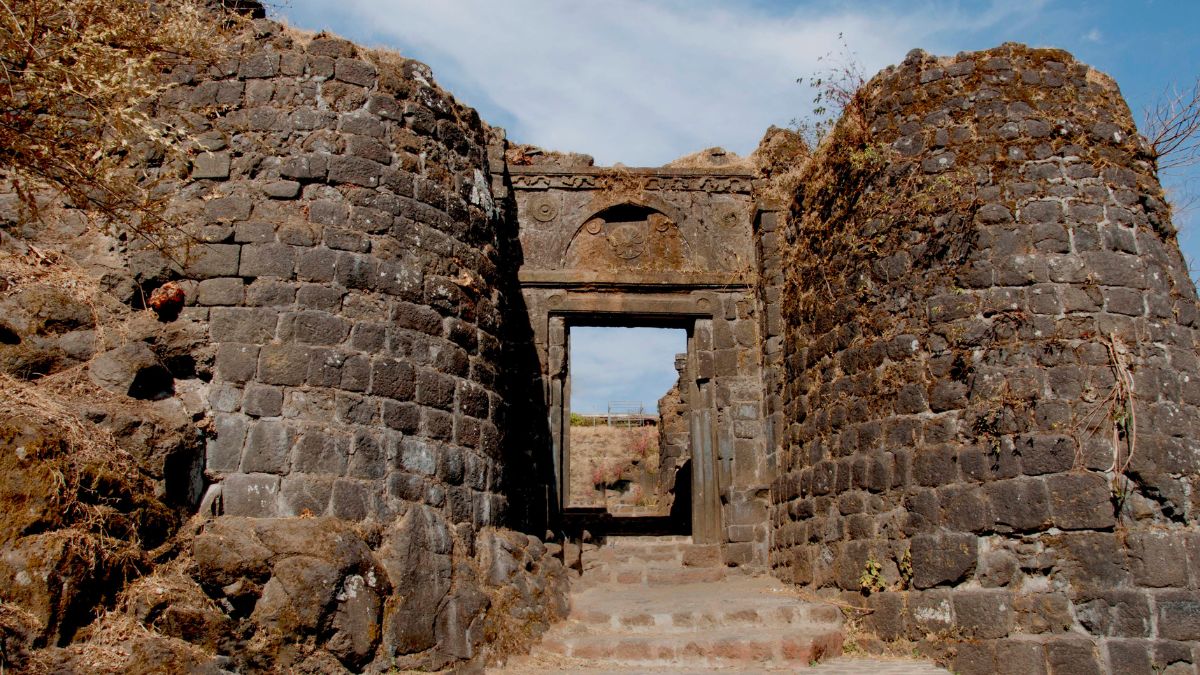
Sinhagad Fort is the most visited heritage trek destination in Maharashtra — 35 kilometres from Pune, 1,312 metres above sea level, with a history stretching back 1,800 years and a food culture at the summit that has its own dedicated following. This hub guide brings together everything on our site about sinhagad fort into one place: the complete visitor guide, both trek routes, the food, the full history of the 1670 battle, and the practical information you need before you go.
Sinhagad Fort — Essential Facts
| Detail | Information |
|---|---|
| Location | Sinhagad Road, near Sinhagad Village, Pune District |
| Distance from Pune | 35 kilometres via Sinhagad Road |
| Altitude | 1,312 metres above sea level |
| Timings | 5:00 AM to 6:00 PM daily |
| Entry Fee | ₹10 per person (at summit gate) |
| Parking at base | ₹30–50 for cars, ₹10–20 for two-wheelers |
| Trek Distance (Donje route) | 2.7 km base to summit |
| Trek Time (average adult) | 45–75 minutes upward |
| Jeep service available | Yes — Kalyan Darwaza route, ₹200–300/person |
| Food at summit | Pitla bhakri, kulhad dahi, kanda bhaji, chai |
| Best season | Oct–Feb (clear views); Jul–Sep (monsoon spectacle) |
The History in One Paragraph
Originally called Kondhana, sinhagad fort dates to at least the 2nd century CE. On the night of 4 February 1670, Maratha general Tanaji Malusare led a daring night assault on the fort’s supposedly unscalable north cliff, using a monitor lizard as a rope anchor, recapturing it from the Mughal garrison commanded by Udaybhan Rathod. Both commanders died in the battle. When Shivaji Maharaj received news of the victory and Tanaji’s death, he said: Gad ala pan Sinh gela — The fort came, but the Lion is gone. Kondhana was renamed Sinhagad (Lion Fort) that day in Tanaji’s memory.
Full history: Sinhagad Fort History — Tanaji Malusare, the 1670 Battle and Shivaji’s Famous Words
How to Reach Sinhagad Fort
From Pune city centre, take Sinhagad Road southwestward — the route from Swargate via Dhayari to Sinhagad Village base takes approximately 45 to 60 minutes by car or two-wheeler. The road is well-signed throughout. PMPML bus services run toward the Sinhagad area from Swargate, dropping passengers at Sinhagad Village from which a 2 to 3 kilometre walk or local auto brings you to the Donje trailhead.
The Two Trek Routes — Which to Choose
Donje Route — The Trek (Recommended for fit adults)
- 2.7 km, 400m elevation gain, 45–75 minutes up
- Rocky and steep in sections — good grip shoes essential
- Monsoon: slippery, carry leech protection
- The route Tanaji’s soldiers used in 1670
Kalyan Darwaza Route — The Jeep Track (Families and seniors)
- 6 km, gradual ascent, 90–120 minutes on foot
- Jeep service available: ₹200–300 per person shared
- More manageable in monsoon than the Donje route
Full route comparison: Sinhagad Fort Trek — Both Routes Compared
Food at the Top — The Famous Pitla Bhakri
The sinhagad fort summit has 15 to 25 food stalls serving Maharashtra’s most celebrated trek-top cuisine. The signature dish is pitla bhakri — thick gram flour preparation with jowar flatbread, raw onion, lime and thecha, ₹100–150. Cold kulhad dahi (₹30–50) is the essential companion. During monsoon, kanda bhaji (onion fritters, ₹60–100) and chai (₹15–25) complete the experience. All food is vegetarian. Cash only — UPI unreliable at summit.
Full food guide: Sinhagad Fort Food — Pitla Bhakri, Kulhad Dahi and Best Stalls
What to See at the Summit
- Tanaji Malusare Samadhi: The memorial to the general who died recapturing the fort. A simple stone platform near the battle area, consistently decorated with flowers by visitors.
- Kalyan Darwaza: The main fort gate on the eastern approach — the traditional entrance, well preserved.
- Kondeshwar Temple: An ancient Shiva temple within the fort precincts, one of the oldest structures at sinhagad.
- Rampart walls and viewpoints: The outer defensive walls offer panoramic views across the Deccan — on clear days (Oct–Feb) 50 to 60 kilometres in multiple directions. In monsoon, the valleys fill with cloud and the fort appears to float above them.
- Tilakamal Kund: A historic water tank associated with Lokmanya Tilak’s visits to sinhagad fort.
Best Time to Visit Sinhagad Fort
| Season | Experience | Conditions |
|---|---|---|
| Oct – Feb | Clear panoramic views, cool temperatures, best photography | Excellent — most recommended |
| Jul – Sep (Monsoon) | Dramatic cloud and mist, vivid green, waterfalls | Slippery trail, leeches — prepare properly |
| Mar – Jun (Summer) | Good views early morning; hot from 10 AM | Start early, carry extra water |
Best time of day: 6:00 AM to 9:00 AM. Cooler, less crowded, best food stall freshness, best morning light for photography.
What to Carry
Year-round: Water (min 1.5 litres), closed-toe shoes with grip, snacks, cash (min ₹300), small backpack.
Monsoon additions: Raincoat, full-length trousers tucked into socks, salt for leeches, waterproof bag for phone.
Summer: Extra water (2 litres), sun hat, sunscreen. Avoid 11 AM–3 PM.
Winter: Light jacket for the summit — noticeably cooler than Pune city in December–January mornings.
All Sinhagad Fort Guides on This Site
- Sinhagad Fort Pune — Complete Visitor Guide 2026 (timings, entry fee, parking, jeep, overview)
- Sinhagad Fort Trek — Both Routes Compared (Donje vs Kalyan, difficulty, monsoon, leeches)
- Sinhagad Fort History — The 1670 Battle (Tanaji, monitor lizard, Shivaji’s words)
- Sinhagad Fort Food (pitla bhakri, kulhad dahi, prices, best stalls)
Frequently Asked Questions About Sinhagad Fort
How far is Sinhagad Fort from Pune?
35 kilometres via Sinhagad Road. Drive time 45–60 minutes from Pune city centre.
What is the entry fee at Sinhagad Fort?
₹10 per person, collected at the summit entrance gate. Parking at base ₹30–50 for cars.
Is Sinhagad Fort good in monsoon?
Yes — spectacular, with cloud-filled valleys and vivid greenery. The Donje trek route is slippery; carry leech protection. See the full monsoon guide: Sinhagad Fort Trek Guide.
What is the famous food at Sinhagad?
Pitla bhakri (₹100–150) — gram flour preparation with jowar flatbread. Kulhad dahi ₹30–50. Kanda bhaji ₹60–100. All vegetarian, cash only.
Why is it called Sinhagad?
Named by Shivaji Maharaj after the 1670 battle, in memory of Tanaji Malusare (“Sinh” = lion) who died recapturing it. Previously called Kondhana.