

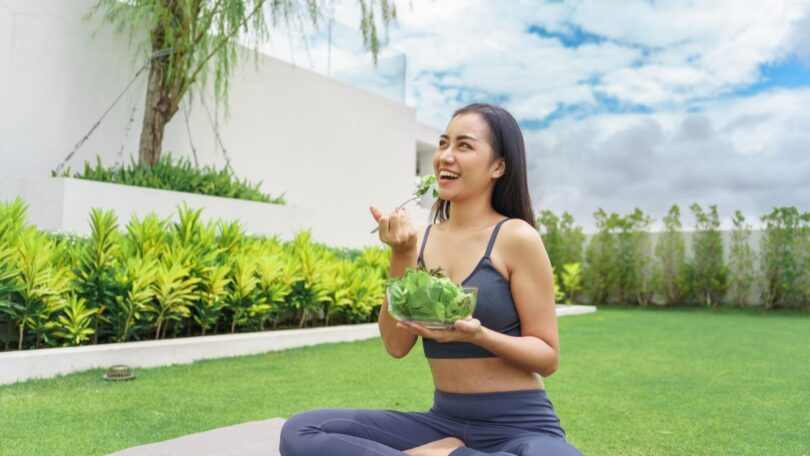

The short answer: Yes, you can get enough protein from a vegetarian diet — but you need to be deliberate about it. Most vegetarians in India get 30 to 45 grams of protein per day when they need 50 to 70 grams depending on their body weight and activity level. The fix is not a supplement. It is understanding which Indian foods are actually high in protein and structuring meals around them consistently.
Protein is the most discussed nutrient in the context of vegetarian diets — and also the most misunderstood. The question “but where do you get your protein?” is asked of vegetarians across India, across Europe, across North America, across the world. It assumes that vegetarian diets are inherently protein-deficient. They are not. They can be — but only through poor food choices, not through vegetarianism itself.
This article gives you the actual numbers, the best Indian vegetarian protein sources ranked by protein content and practical usefulness, the combination strategies that improve protein quality, and an honest look at where supplements fit — and where they do not.

Replace with: A flat lay photograph of high-protein vegetarian foods — a bowl of dal, paneer cubes, a handful of chickpeas, Greek yoghurt, nuts, and seeds on a wooden surface. Source from Unsplash.com — search “Indian vegetarian protein food”. 900x600px.
How Much Protein Do You Actually Need?
The most widely accepted guideline, endorsed by the World Health Organization and the Indian Council of Medical Research (ICMR), is 0.8 grams of protein per kilogram of body weight per day for a sedentary adult.
However, this is a minimum to prevent deficiency — not an optimal amount for health, muscle maintenance, or active lifestyles. Current research suggests higher intakes produce better outcomes for most adults:
| Person type | Body weight example | Daily protein need | Note |
|---|---|---|---|
| Sedentary adult (desk job, minimal exercise) | 60 kg | 48 to 60 grams | ICMR minimum is 48g — aim for 60g for better outcomes |
| Moderately active adult (exercise 3x per week) | 65 kg | 65 to 90 grams | 1.0 to 1.4 grams per kg of body weight |
| Very active adult or regular gym-goer | 70 kg | 105 to 140 grams | 1.5 to 2.0 grams per kg — harder but achievable from food |
| Older adult (above 60) | 60 kg | 72 to 90 grams | Higher protein intake helps preserve muscle mass with age |
| Pregnant woman | 65 kg | 75 to 100 grams | ICMR recommends additional 23 grams per day above baseline |
Source: Indian Council of Medical Research (ICMR) Dietary Reference Values 2020 (icmr.gov.in). World Health Organization Protein and Amino Acid Requirements in Human Nutrition Report 2007 (who.int).
“The evidence is quite clear that plant-based diets can meet protein requirements, but people need to understand which foods to combine and how much to eat.”
— Dr. David Katz, Founding Director of the Yale-Griffin Prevention Research Center, in an interview with Harvard Health Publishing, 2021. (health.harvard.edu)
The Best Vegetarian Protein Sources for Indian Diets
Ranked by protein content per 100 grams of the food in its typical cooked or ready-to-eat form:
| Food | Protein per 100g | Serving suggestion | Practical notes |
|---|---|---|---|
| Soya chunks (dry) | 52 grams | 30g dry per serving | Highest protein density of any common Indian vegetarian food. Affordable. Works in curries, pulao, stir-fries. Available in every supermarket across India. |
| Peanut butter (natural) | 25 grams | 2 tablespoons (32g) | 8 grams protein per serving. Easy breakfast addition. Choose natural versions with no added sugar. Available globally at reasonable cost. |
| Paneer (cottage cheese) | 18 to 20 grams | 100g serving | The most culturally embedded Indian protein source. Versatile. Full-fat paneer has more calories — choose lower-fat variety if calorie-conscious. Widely available. |
| Greek yoghurt / hung curd | 10 grams | 200g serving | 20 grams protein per serving. Cheaper to make at home by straining regular curd through muslin cloth for 4-6 hours. Protein content roughly double of regular dahi. |
| Chickpeas (cooked) | 9 grams | 100g cooked | Also delivers significant fibre and iron. Use in chana masala, salads, chaat, or simply roasted as a snack. Canned chickpeas are identical nutritionally to home-cooked. |
| Lentils — masoor, moong, toor (cooked) | 7 to 9 grams | 100g cooked | The backbone of Indian protein intake. Toor dal has slightly higher protein than masoor. Moong dal is easiest to digest — best for those with digestive sensitivities. Eat at least one full katori of dal daily. |
| Tofu (firm) | 8 grams | 100g serving | Higher protein than paneer by volume. Less culturally familiar but easy to cook in Indian spice-based preparations. Available in major Indian cities and internationally. Silken tofu has less protein. |
| Rajma (kidney beans, cooked) | 9 grams | 100g cooked | Excellent protein and iron combination. Classic north Indian dish — rajma chawal delivers a complete protein when combined with rice. Widely eaten, underrated nutritionally. |
| Milk (whole) | 3.4 grams per 100ml | 250ml glass | 8.5 grams protein per glass. Easy, affordable, culturally embedded across India. Good casein (slow-release) protein — particularly valuable before sleep for muscle maintenance. |
| Quinoa (cooked) | 4.4 grams | 100g cooked | One of the few plant foods that contains all nine essential amino acids — a complete protein. More expensive than other options. Available in health stores and online across India and globally. |
| Almonds | 21 grams | 30g handful | 6 grams protein per handful — also delivers healthy fats, vitamin E, and magnesium. Good as between-meal protein boost. Not practical as a primary source due to calorie density. |
| Hemp seeds | 32 grams | 30g serving (3 tablespoons) | 10 grams protein per serving. Complete protein. Available increasingly in Indian health stores and on Amazon. Sprinkle on curd, salads, dal, or smoothies. Tasteless — easy to add anywhere. |
Source: National Institute of Nutrition India — Nutritive Value of Indian Foods (nin.res.in). USDA FoodData Central database (fdc.nal.usda.gov) for global comparisons. Values are approximate and vary by cooking method and brand.
The Protein Combination Principle — Why It Matters for Vegetarians
Proteins are built from amino acids. There are 20 amino acids in total, of which 9 are “essential” — meaning the human body cannot produce them and must get them from food. Animal proteins (meat, eggs, fish, dairy) contain all 9 essential amino acids in adequate proportions. Most individual plant proteins do not.
However — and this is the important part — you do not need every essential amino acid in every meal. You need them in adequate amounts across the course of a day. The body draws from a “pool” of amino acids that it builds up from multiple meals.
Additionally, certain plant food combinations together provide all essential amino acids. Some well-known examples that happen naturally in Indian cuisine:
- Dal and rice (dal chawal): Lentils are low in methionine but high in lysine. Rice is low in lysine but high in methionine. Together, they form a complete protein profile. This combination has been the nutritional foundation of Indian vegetarian diets for centuries — not by accident.
- Roti and dal: Similar principle — wheat and lentils complement each other’s amino acid profiles.
- Peanut butter on whole wheat bread: A globally popular combination for the same amino acid complementation reason.
- Hummus and pita bread: Chickpeas + wheat — again, amino acid complementation. Popular across the Middle East and increasingly globally.
Source: Young VR, Pellett PL — “Plant proteins in relation to human protein and amino acid nutrition.” American Journal of Clinical Nutrition, 1994. Foundational research on plant protein complementation.
A Realistic Day of High-Protein Vegetarian Eating — Indian Version
| Meal | What to eat | Approximate protein |
|---|---|---|
| Breakfast | 2 whole eggs scrambled with vegetables + 1 glass milk (or for vegans: 200g Greek yoghurt / hung curd + 1 tablespoon peanut butter on whole wheat toast) | 20 to 25 grams |
| Mid-morning snack | 30g roasted peanuts or a small handful of mixed nuts + seeds | 7 to 9 grams |
| Lunch | Large katori of toor dal + 2 rotis + 100g paneer sabzi or rajma | 22 to 28 grams |
| Evening snack | Chana chaat (100g boiled chickpeas with onion, tomato, chaat masala) | 9 grams |
| Dinner | Soya chunks curry (40g dry soya chunks) + 1 cup rice or 2 rotis + curd | 24 to 28 grams |
| Total | 82 to 99 grams |
Protein values calculated using NIN India Nutritive Value of Indian Foods database. Individual totals will vary based on exact quantities and preparation methods.
The Most Common Protein Mistakes Vegetarians Make
- Relying only on dal for protein: One katori (150ml) of cooked toor dal provides approximately 10 to 12 grams of protein — not the 30+ grams many people assume. Dal is excellent but not sufficient as a sole protein source.
- Eating protein only at dinner: Protein synthesis works best when intake is distributed across the day — roughly equal amounts at each main meal. Loading all protein at dinner is less effective than spreading it across breakfast, lunch, and dinner.
- Avoiding paneer because of fat content: Paneer’s fat comes primarily from saturated fat in dairy, but it also delivers significant protein and calcium. Moderate daily consumption of 50 to 100 grams is nutritionally beneficial for most vegetarians.
- Skipping protein at breakfast: Traditional Indian breakfasts (poha, upma, idli, bread with jam) are often very low in protein. Starting the day with a protein-rich breakfast reduces hunger through the morning and helps meet daily protein targets more easily.
- Buying expensive protein supplements before optimising diet: A whey protein supplement costs 3,000 to 6,000 rupees per month. That same budget spent on soya chunks, paneer, Greek yoghurt, and legumes delivers more protein, more micronutrients, and better overall nutrition.
When Supplements Do and Do Not Make Sense
Protein supplements — whey protein, plant-based protein powders, casein — are useful in two specific situations:
- You train intensively and need more than 1.6 grams per kg body weight per day — getting 120+ grams of protein from food alone at that level is genuinely difficult and time-consuming to prepare
- You have very limited time or appetite — a protein shake takes 2 minutes and delivers 25 to 30 grams of protein when a full meal is not practical
Supplements do not make sense if you have not first maximised your food-based protein intake. They are meant to supplement a good diet — not replace the effort of building one.
If you do use a supplement, choose one with a short, readable ingredient list, no added sugar, and a protein content above 20 grams per serving. For vegetarians, whey protein isolate is effective. For vegans, pea protein or hemp protein are the best studied alternatives.
Watch: Plant Protein Explained by a Dietitian
Recommended video: Search YouTube for “vegetarian protein sources India dietitian” — look for videos from registered dietitians rather than fitness influencers. Nmami Life (nmami agarwal) and Rujuta Diwekar both publish practical Indian-diet-specific nutrition content.
Source: Nmami Life YouTube channel (youtube.com/@NmamiLife) and Rujuta Diwekar YouTube channel (youtube.com/@rujutadiwekar) — both Indian registered nutritionists with evidence-based content.
The Practical Summary
Getting enough protein on a vegetarian diet is not difficult. It requires deliberate food choices and consistency — the same things that any healthy diet requires. The specific steps:
- Calculate your daily protein target: body weight in kg multiplied by 0.8 for sedentary, 1.2 for moderately active, 1.6 for very active
- Include at least one high-protein food (dal, paneer, soya, chickpeas, curd) at every main meal — not just dinner
- Add a protein-rich snack between meals — roasted peanuts, chana chaat, or a glass of milk
- Track your intake for one week using a free app like Cronometer or HealthifyMe India — most people are surprised by how much (or how little) they actually eat
- Optimise food first. Consider supplements only if food intake consistently falls short despite honest effort
Disclaimer
This article is for educational purposes only and does not constitute medical or dietary advice. Individual protein requirements vary based on health status, age, activity level, and medical conditions. Consult a registered dietitian or your doctor for advice specific to your situation.
Last updated: May 2025. Nutritional science evolves — key sources reviewed annually. Corrections: corrections@theopenhandbook.com

